Having at least some knowledge of driveway leveling begins with recognizing how surface irregularities affect both safety and long-term property performance.
The need for leveling often develops slowly, but visible changes such as pooling water, sloping areas, or cracking indicate underlying movement that should not be ignored.
Surface imbalance rarely occurs in isolation. It often connects to soil conditions, drainage behavior, and prior construction methods that no longer support current load demands.
In many cases, property owners begin noticing issues during routine use, especially when vehicles shift unevenly across the surface or when water does not drain properly.
A professional assessment helps determine whether correction is needed across small sections or broader areas, depending on how far the movement has progressed.
How Driveway Surface Changes Begin
Ground movement is one of the most common causes of surface imbalance. Soil expands and contracts based on moisture levels, which gradually alters the support beneath concrete structures.
Freeze-thaw cycles also contribute to shifting conditions. As temperatures change, moisture beneath the surface expands, creating pressure points that slowly affect alignment. Over time, these forces create visible inconsistencies across the driveway.
External weight load adds another layer of stress. Repeated vehicle traffic compresses specific areas more than others, which can result in uneven settling patterns that worsen over time.
A well-established driveway services provider evaluates these conditions to determine how structural movement has progressed and what corrective approach is appropriate.
Why Surface Stability Matters for Properties
A level surface supports both safety and long-term usability. Uneven areas increase strain on vehicles and can create tripping risks for pedestrians, especially near walkways and entry points.
Water flow also becomes affected when slopes change unexpectedly. Improper drainage can lead to pooling, which contributes to surface wear and accelerates deterioration in surrounding materials.
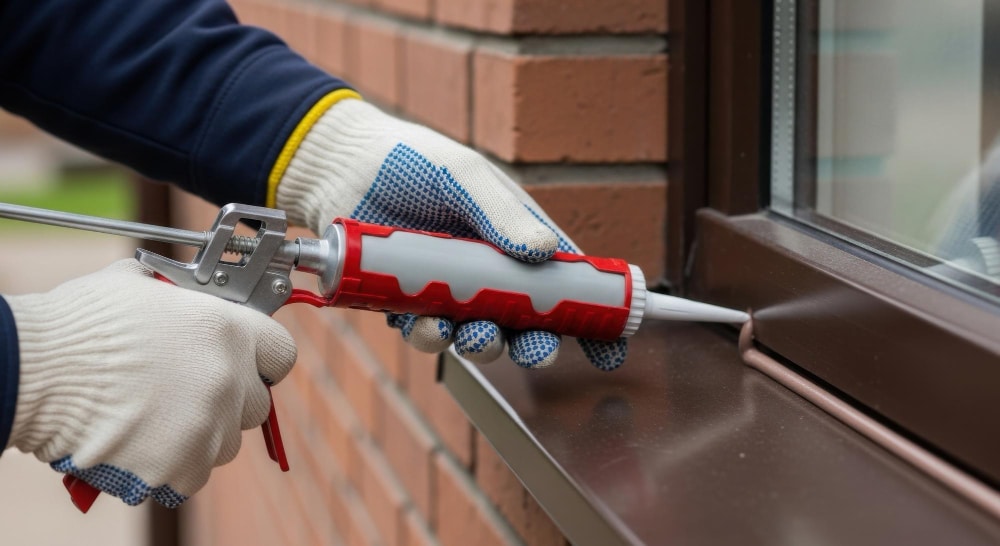
In residential environments, residential caulking supports structural protection by sealing transition points around exterior surfaces, helping reduce moisture intrusion that can contribute to movement beneath adjacent concrete areas.
Maintaining surface stability also influences overall property presentation. A balanced driveway improves curb appeal while reducing long-term maintenance concerns tied to ongoing structural shifts.
Conditions That Lead to Correction Needs
Surface adjustment requirements differ depending on how long movement has been occurring. Early-stage changes may appear minor but often signal deeper structural imbalance beneath the surface.
In some properties, visible cracking is the first indicator. In others, subtle sinking or uneven edges become noticeable before surface damage develops.
Environmental exposure plays a consistent part in accelerating these changes. Properties exposed to frequent moisture cycles or poor drainage systems tend to experience faster progression of surface irregularities.
Broader home projects often include driveway evaluation alongside landscaping or exterior improvements, since multiple systems interact with ground stability and water movement patterns.
Approaches to Surface Correction
Correction methods depend on the extent of movement and the condition of the existing structure. Some surfaces require targeted adjustment, while others need broader stabilization strategies.
Material condition also influences the chosen approach. Older concrete may respond differently than newer installations, especially if previous repairs were applied unevenly or without taking care of underlying soil issues.
In more complex situations, restoration becomes part of the solution when surface imbalance is linked to deeper structural wear or long-term environmental exposure. Restoration efforts focus on improving overall performance rather than isolated surface concerns.
Modern assessment practices may also involve concrete leveling services, which focus on improving surface alignment where sinking or uneven settlement has occurred across larger areas.
These services are often used when surface correction must address both function and durability without full replacement.
Long-Term Performance Considerations
Correcting uneven surfaces supports long-term durability by reducing stress concentration across specific points. When a driveway is properly stabilized, weight distribution becomes more consistent, which reduces future wear.
Moisture management also improves when the surface is properly leveled. Consistent drainage prevents water from collecting in low areas that may otherwise accelerate surface degradation.
In many cases, concrete driveway leveling becomes a preferred approach when property owners want to extend surface lifespan without undergoing complete reconstruction. This approach focuses on improving existing structural performance while minimizing unnecessary disruption.
Environmental conditions in Omaha make long-term stability especially important. Seasonal shifts place repeated pressure on concrete surfaces, making early correction important in preventing more extensive deterioration.
Selecting the Right Contractor for Leveling Work
Experience is instrumental in achieving consistent results. Contractors familiar with regional soil behavior and climate patterns can better anticipate how surfaces will respond after correction.
Evaluation methods also matter. A thorough assessment considers drainage, soil stability, and prior construction patterns before recommending any corrective approach.
Communication is another consideration. Property owners benefit from clear explanations of what is affecting their driveway and how different correction approaches influence long-term performance.
A reliable contractor will focus on structural improvement rather than temporary surface appearance, so that corrected areas remain stable under continued use.
When Uneven Surfaces Start Affecting Daily Use
At JMS Caulking & Construction Services, we handle surface correction with a clear focus on durability and dependable structural performance.
Our experience across exterior systems allows us to evaluate driveway conditions with attention to how surrounding elements influence movement and stability.
We know how environmental exposure and ground conditions interact over time. That shapes how we assess uneven surfaces and determine the most appropriate corrective direction for each property.
Our work prioritizes practical outcomes that support durability under real-world conditions. Every project is approached with attention to consistency, surface behavior, and long-term usability rather than short-term appearance alone.
We also recognize how important it is for property owners to have clarity when evaluating structural concerns. Our process emphasizes straightforward communication and dependable execution from assessment through completion.
Reach out today to discuss driveway leveling and the conditions affecting your property with our experienced team.
FAQs
What are early signs that a driveway is no longer level?
Uneven edges, water pooling, and visible surface tilting are common indicators. These changes often develop gradually as soil beneath the surface shifts over time.
Does weather affect driveway stability in Omaha?
Yes. Seasonal temperature changes and moisture differences create expansion and contraction cycles that gradually influence surface alignment and underlying support conditions.
Can leveling extend the life of a driveway?
Yes. Restoring surface balance reduces stress concentration, improves drainage behavior, and helps slow long-term deterioration caused by uneven load distribution.