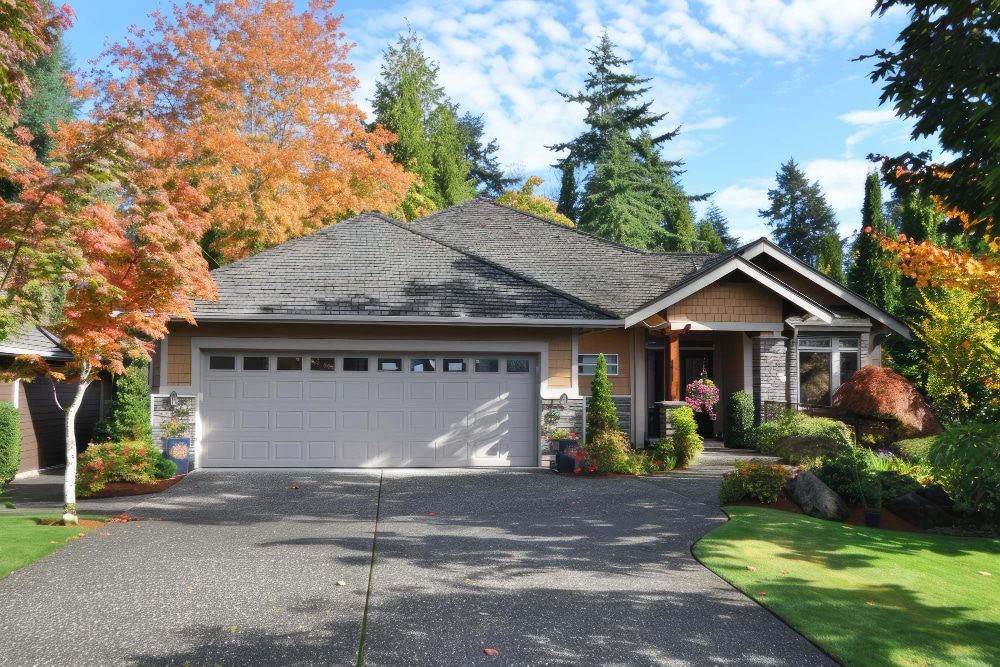
Selecting the right exterior caulk for a home influences how well surfaces resist moisture, temperature shifts, and structural movement. The choice of caulk directly affects long-term durability across siding, trim, and joint areas exposed to outdoor conditions.
Exterior sealing work often connects to broader building maintenance practices where surface protection and material compatibility determine long-term performance.
Product selection is not only about appearance but also about how well the material responds to environmental stress and structural motion over time.
Homes exposed to seasonal changes require sealing materials that maintain flexibility while holding adhesion across different surface types. That balance becomes important when different materials meet at structural transition points.
How Exterior Sealing Materials Respond to Environmental Stress
Outdoor conditions place constant pressure on sealing materials due to temperature fluctuation, moisture exposure, and UV contact. These forces gradually test adhesion strength and elasticity across exposed joints.
Proper material selection helps reduce cracking, separation, and premature deterioration. Homes that experience repeated freeze-thaw cycles require products designed to flex without losing bonding integrity.
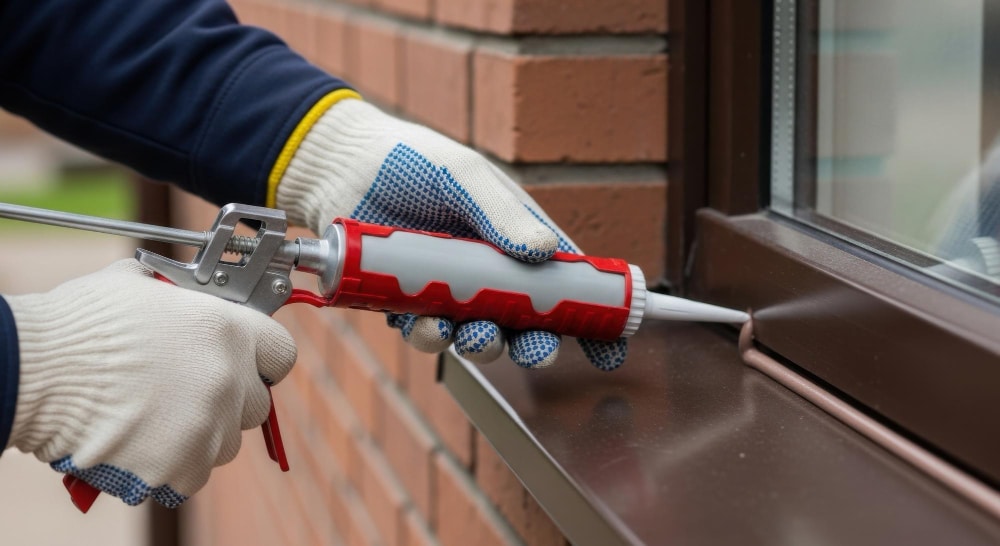
In practice, caulking supports the protection of structural gaps by creating a barrier that limits water intrusion and air leakage in exposed exterior areas.
Areas of the Home That Require Reliable Sealing
Exterior surfaces include multiple transition zones where materials meet, and movement naturally occurs. Window frames, siding joints, and door perimeters are among the most common areas requiring attention.
Roofline edges and trim connections also experience repeated exposure that affects long-term durability. When these areas are not properly sealed, moisture can enter and affect underlying structural components.
Material selection for visible surfaces may also involve color-matching considerations, including applications where exterior caulk in white is used to maintain a clean architectural finish across trim and siding transitions.
Surface Compatibility and Structural Coordination
Different building materials respond differently to temperature and moisture exposure. Wood, vinyl, metal, and composite surfaces each expand and contract at varying rates, which creates movement at connection points.
Matching sealant flexibility to surface behavior helps reduce stress at these junctions. Inconsistent movement response between materials can lead to early separation if not properly dealt with during selection.
Exterior maintenance planning often overlaps with property upkeep tasks that involve multiple surface types working together across a structure.
Driveway services are sometimes coordinated alongside exterior sealing work to support consistent property performance, especially when ground-level surfaces and structural edges interact during seasonal movement.
Exterior Sealing and Connected Property Components
Exterior sealing is not isolated from other structural systems. It interacts with foundation edges, masonry surfaces, and landscape-adjacent materials that all respond to environmental conditions.
When water is redirected improperly, it can affect multiple surfaces simultaneously. This makes coordinated maintenance planning important for long-term performance stability.
In exterior environments where stone or brick is present, masonry surfaces require sealing considerations that account for porous material behavior and moisture absorption patterns.
Proper coordination between sealing work and surrounding structures helps maintain consistent protection across the full exterior envelope.
Planning Exterior Maintenance for Long-Term Stability
Homeowners often approach sealing work as part of larger maintenance cycles rather than isolated tasks. Seasonal inspections help identify early movement, surface separation, or weather-related wear.
Timing also influences performance outcomes. Applying sealing materials under appropriate temperature conditions improves adhesion and long-term flexibility.
Bigger maintenance efforts tied to home projects often include exterior updates that cover multiple surfaces at once, helping maintain consistent protection across the property.
These coordinated efforts reduce the likelihood of isolated failures that can spread into adjacent structural areas over time.
Material Selection and Performance Expectations
Different formulations of sealing products offer varying levels of flexibility, durability, and environmental resistance. Choosing the correct type depends on surface material, exposure level, and movement expectations.
Some applications require higher elasticity for surfaces that experience frequent expansion and contraction. Others prioritize adhesion strength for more stable structural zones.
Product selection also depends on visibility requirements and finish consistency, particularly in areas where appearance matters alongside performance.
A well-chosen exterior caulk sealant supports long-term durability by maintaining bond strength while adapting to surface movement without breaking down prematurely.
Professional Application and Long-Term Value
How sealing materials are installed directly affects how long they last. Surface preparation, environmental conditions, and application consistency all influence final results.
Experienced contractors evaluate joint conditions before selecting materials, assuring compatibility between surface type and environmental exposure.
Professional assessment reduces the risk of premature failure and supports more consistent long-term performance across different exterior zones.
A Field-Based Approach from JMS Caulking & Construction Services
At JMS Caulking & Construction Services, we focus on exterior sealing that holds up over time and matches the materials it’s applied to. Our work reflects an understanding of how different surfaces respond to environmental stress and seasonal movement.
We evaluate each project based on real field conditions rather than surface appearance alone. That approach allows us to select materials and methods that align with how a structure behaves over time.
Our experience across residential and exterior systems helps us identify how different components interact, from trim and siding to ground-level transitions and surrounding structures.
We focus on delivering results that support durability, consistency, and reliable performance across changing conditions.
We also prioritize clear communication with property owners, so expectations match actual site conditions. Every project is handled with attention to detail and practical execution standards that reflect real-world exposure demands.
If you have questions about exterior caulk or want to discuss conditions affecting your home, connect with our team today for guidance and service options.
FAQs
How often should exterior sealing be checked?
Inspection is usually recommended during seasonal transitions when temperature and moisture changes are most noticeable across exterior surfaces.
What causes exterior sealing materials to fail early?
Common causes include improper surface preparation, incompatible material selection, and exposure to extreme temperature shifts without adequate flexibility.
Can sealing work improve energy efficiency?
Yes. Properly sealed exterior joints reduce air leakage, which can support improved temperature regulation and reduce energy loss in the home.