What is caulking? The answer begins with recognizing its purpose in sealing joints and gaps across building surfaces. The concept of caulking relates directly to how structures maintain protection against moisture, air movement, and material separation over time.
Sealing materials are used across multiple building types because nearly all structures contain connection points where different materials meet.
These areas naturally shift due to environmental changes, which create openings that require flexible sealing solutions to maintain structural performance.
How Sealing Materials Function in Building Systems
Sealing compounds are designed to fill gaps between surfaces that may expand or contract at different rates. This flexibility allows them to maintain adhesion even when structural movement occurs.
Without proper sealing, small openings can allow moisture to enter wall systems or foundational areas. Over time, this exposure can lead to deterioration that affects both appearance and structural integrity.
The purpose of caulking is to create a protective barrier that helps regulate airflow and moisture movement across vulnerable transition points.
Why Buildings Develop Gaps Over Time
All structures experience movement. Temperature changes cause materials to expand during heat exposure and contract during cooler conditions. This repeated cycle gradually creates separation at joints and seams.
Settlement is another contributor. As buildings adjust to soil conditions, minor shifts occur that affect how connected materials fit together.
In many cases, sealing is required as part of ongoing caulking maintenance to preserve building performance and reduce the impact of environmental stress.
Applications Across Residential and Structural Work
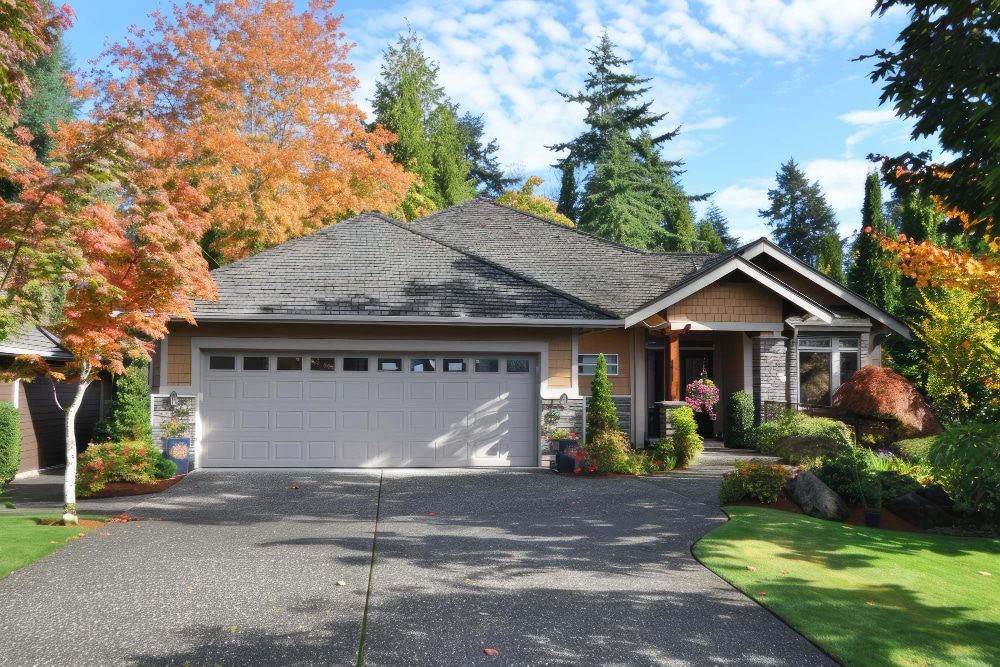
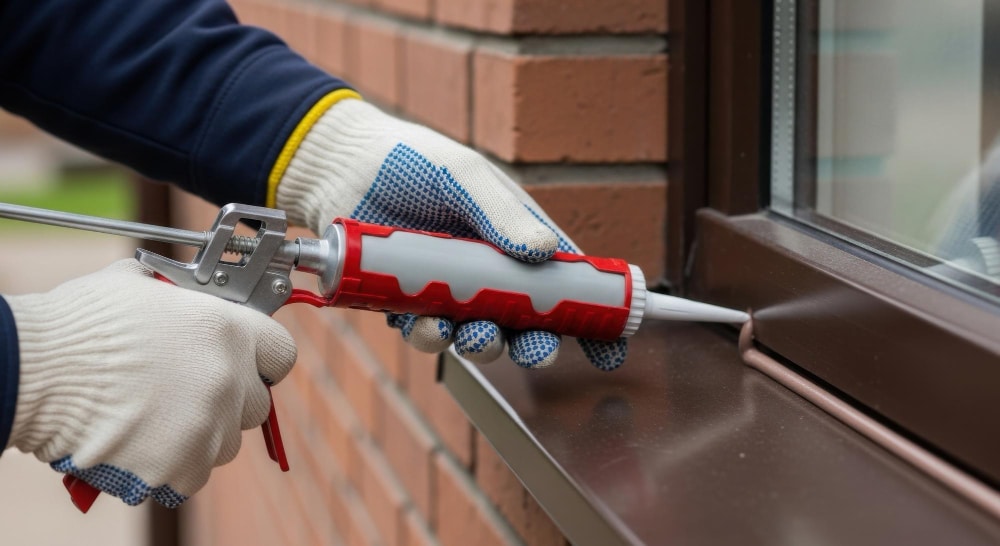
Sealing systems are widely used in residential environments where windows, doors, and exterior siding require consistent protection. These areas are exposed to direct weather conditions and benefit from flexible sealing materials.
In home projects, sealing work can be included alongside other exterior or interior improvements that deal with comfort, energy efficiency, and structural protection.
Commercial and industrial environments also rely on sealing systems for larger structural joints that experience heavier movement and exposure. These applications require materials designed for durability under more demanding conditions.
Structural Repair and Improvement
Sealing materials also support building maintenance efforts where aging structures require restoration work. Over time, older materials lose elasticity, which reduces their ability to maintain effective coverage across joints.
In these situations, restoration work may involve replacing deteriorated sealing materials to improve protection and extend the lifespan of surrounding structures.
Proper sealing contributes to improved building function by reducing exposure to moisture-related damage and limiting air leakage that affects interior environments.
Importance in New Building Construction
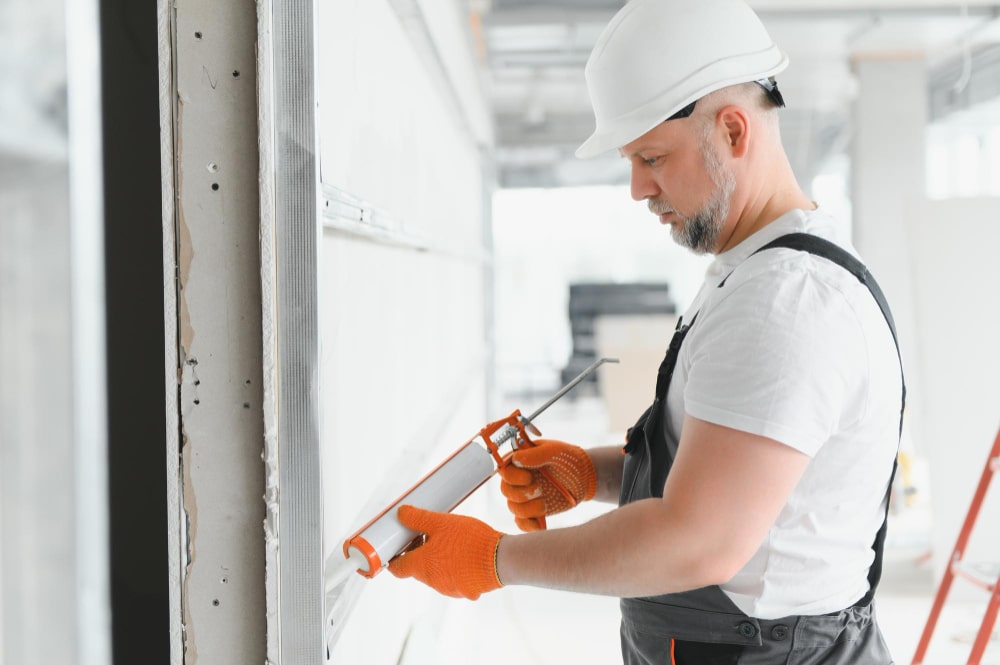
New structures require sealing systems from the beginning of the construction process. Proper installation helps guarantee that joints between materials are protected before environmental exposure begins.
During new construction, sealing work is incorporated into multiple stages of building assembly. This helps make sure that exterior and interior transitions remain protected as the structure settles into its environment.
Early installation also supports long-term performance by reducing the likelihood of premature material breakdown at connection points.
Material Behavior and Performance Expectations
Different sealing products are designed to perform under different conditions. Some are formulated for flexibility, while others prioritize adhesion strength or environmental resistance.
Surface type also influences performance outcomes. Wood, metal, and masonry each interact differently with sealing compounds due to their natural expansion and absorption characteristics.
In masonry applications, sealing materials must accommodate porous surfaces while maintaining strong bonding capacity under changing environmental conditions.
When selecting materials, identifying surface behavior helps guarantee long-term durability and reduces maintenance frequency.
Environmental Influence on Sealing Performance
Weather conditions affect how sealing materials perform over time. Exposure to sunlight, moisture, and temperature ups and downs gradually tests material strength and flexibility.
Regions with seasonal climate changes experience more frequent expansion and contraction cycles, which increases demand on sealing systems.
Properly installed materials help reduce the impact of these environmental pressures by maintaining a consistent barrier between structural components.
Maintenance and Long-Term Building Protection
Sealing systems require periodic evaluation to assure continued effectiveness. Over time, natural wear may reduce flexibility or adhesion, especially in high-exposure areas.
Routine inspection helps identify early signs of separation or cracking before more serious structural issues develop.
When maintained properly, sealing systems contribute to improved building efficiency, reduced moisture intrusion, and more stable interior conditions.
JMS Caulking & Construction Services Approach
At JMS Caulking & Construction Services, sealing work is done with long-term performance and material reliability in mind. We base our approach on how surfaces actually behave under real environmental exposure.
We evaluate each structure individually to determine how movement, exposure, and material type influence sealing requirements. This allows us to apply solutions that support durability rather than temporary surface appearance.
Our experience across residential and structural environments helps us tackle a vast array of conditions, from small-scale maintenance to larger construction applications. We prioritize consistent workmanship and clear communication throughout every project.
If you find yourself asking ‘what is caulking’ or want to know how sealing work applies to your property, our team is available to provide guidance and service support customized to your needs. Contact us today.
FAQs
How does sealing material protect a building?
It fills gaps between surfaces to reduce moisture entry and limit air movement, helping maintain structural stability over time.
Where is sealing most commonly used in buildings?
It is commonly applied around windows, doors, siding, and structural joints where different materials meet and shift.
Does sealing need to be replaced over time?
Yes. Exposure to environmental conditions can reduce flexibility and adhesion, making periodic replacement necessary for continued protection.